
What Is Lymphatic Drainage Massage and Who Actually Needs It?
Your body is ready to feel the difference. Book your session today."
Lymphatic drainage massage tends to get grouped in with trendy wellness treatments, but it has real clinical roots, and real reasons why so many people in Sag Harbor and across the East End are booking it regularly. If you've been curious about what it actually does, whether it's right for you, and what to expect from a session at
Shirley's Mind & Body, this guide will walk you through everything you need to know.
Key Takeaways
- Lymphatic drainage massage uses light, rhythmic pressure to support the body's natural fluid drainage system.
- It's especially helpful after surgery, injury, or for anyone managing chronic swelling or puffiness.
- Results can often be felt after a single session, though consistent treatments build on each other.
- The technique is gentle enough for people who typically find massage too intense.
- It's not appropriate for everyone. Active infections, blood clots, and certain heart conditions are contraindications.
- At Shirley's Mind & Body, lymphatic drainage can be incorporated into a
therapeutic massage session tailored to your specific needs.
How the Lymphatic System Actually Works
The lymphatic system is a network of vessels and nodes that runs throughout the body. Its job is to collect excess fluid, waste, and immune cells from tissues and move them back toward the bloodstream for filtration and removal. Unlike the circulatory system, which has the heart to keep things moving, the lymphatic system relies entirely on muscle contractions and body movement to do its work.
When the lymphatic system is functioning well, you probably don't notice it at all. When it slows down (because of illness, surgery, inactivity, injury, or stress), fluid can build up in the tissues. That's when you start to notice swelling, puffiness, fatigue, or a general feeling of sluggishness.
Lymphatic drainage massage is a hands-on technique designed to pick up where the body's natural movement leaves off.
What Lymphatic Drainage Massage Actually Involves
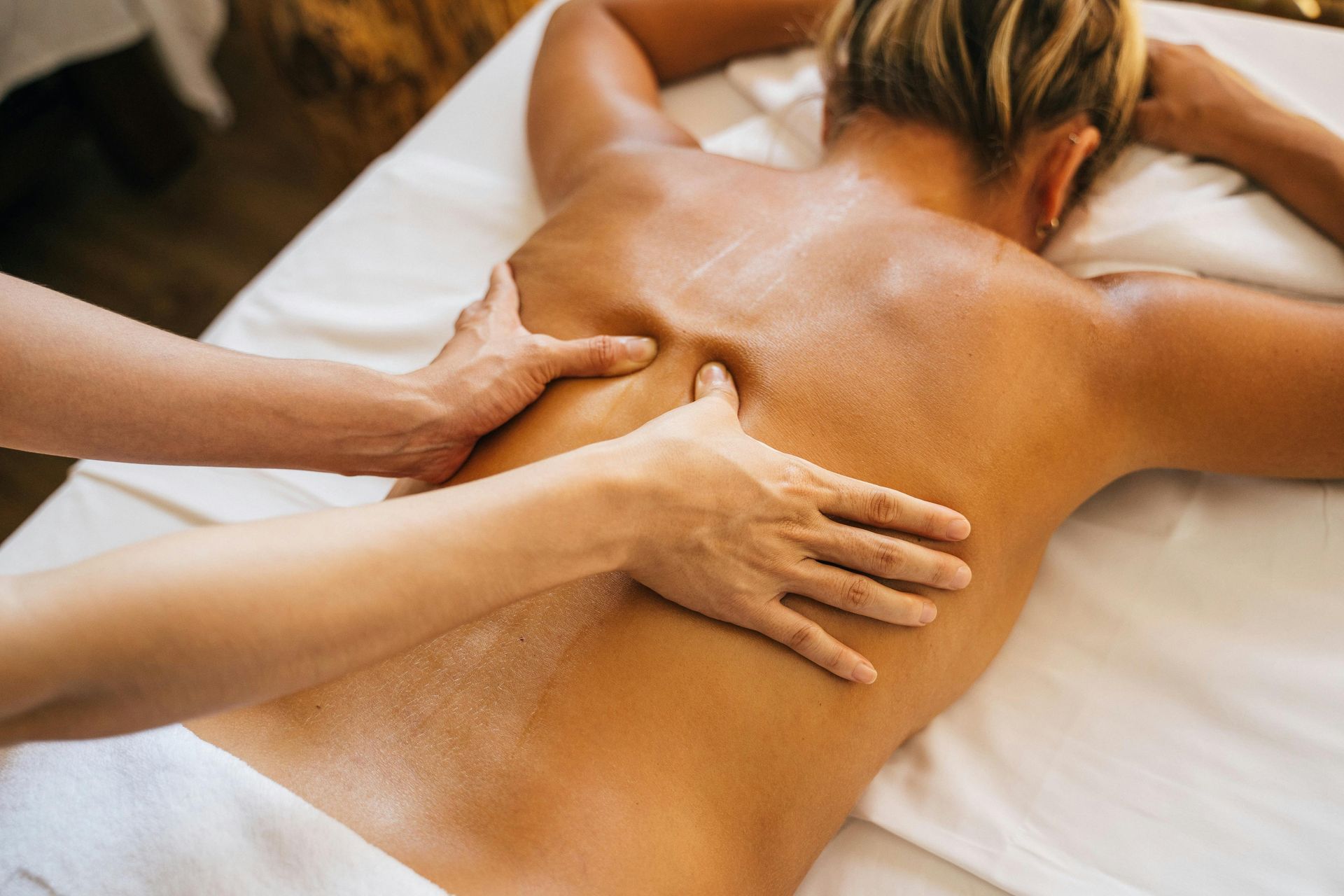
A trained therapist uses very light pressure, much lighter than a typical relaxation or deep tissue massage, applied in slow, rhythmic strokes that follow the direction of lymph flow toward the lymph nodes. There's no deep kneading or sustained compression. The pressure is deliberate but gentle, more like a guiding touch than a firm push.
Sessions typically focus on areas where lymph nodes are concentrated: the neck, underarms, abdomen, and groin. Depending on your goals and any areas of concern, a session may address the whole body or concentrate on specific regions. A typical session runs between 45 and 90 minutes.
This approach is quite different from techniques like
deep tissue massage, which targets deeper muscle layers and chronic tension with more sustained pressure. Lymphatic drainage works at the surface, on the fluid and connective tissue level.
Who This Treatment Is For
Lymphatic drainage massage is particularly well-suited for:
- Post-surgical recovery. This is one of the most common and well-documented uses. After procedures like liposuction, tummy tucks, breast augmentation, or orthopedic surgery, swelling is a normal part of healing, but it can slow recovery if it lingers. Gentle lymphatic work helps move that fluid out of the tissue more efficiently, which may reduce bruising, discomfort, and the time it takes to feel like yourself again. Clients recovering from cosmetic procedures are often referred for lymphatic drainage by their surgeons.
- Lymphedema management. Lymphedema is a chronic condition where the lymphatic system is compromised, often as a result of cancer treatment or surgery involving lymph node removal. It causes persistent swelling, typically in the arms or legs. Manual lymphatic drainage is a recognized part of complex decongestive therapy for this condition.
- Chronic puffiness or fluid retention. Some people carry excess fluid without a formal diagnosis. Hormonal shifts, long periods of sitting or standing, or a diet high in sodium can all contribute. Lymphatic massage can provide relief that feels noticeable after just one session.
- Fatigue and immune support. By helping clear waste and improve fluid movement, lymphatic drainage can leave people feeling lighter and less sluggish. Some clients with fibromyalgia or chronic fatigue report that the gentle stimulation is one of the few massage techniques they tolerate well.
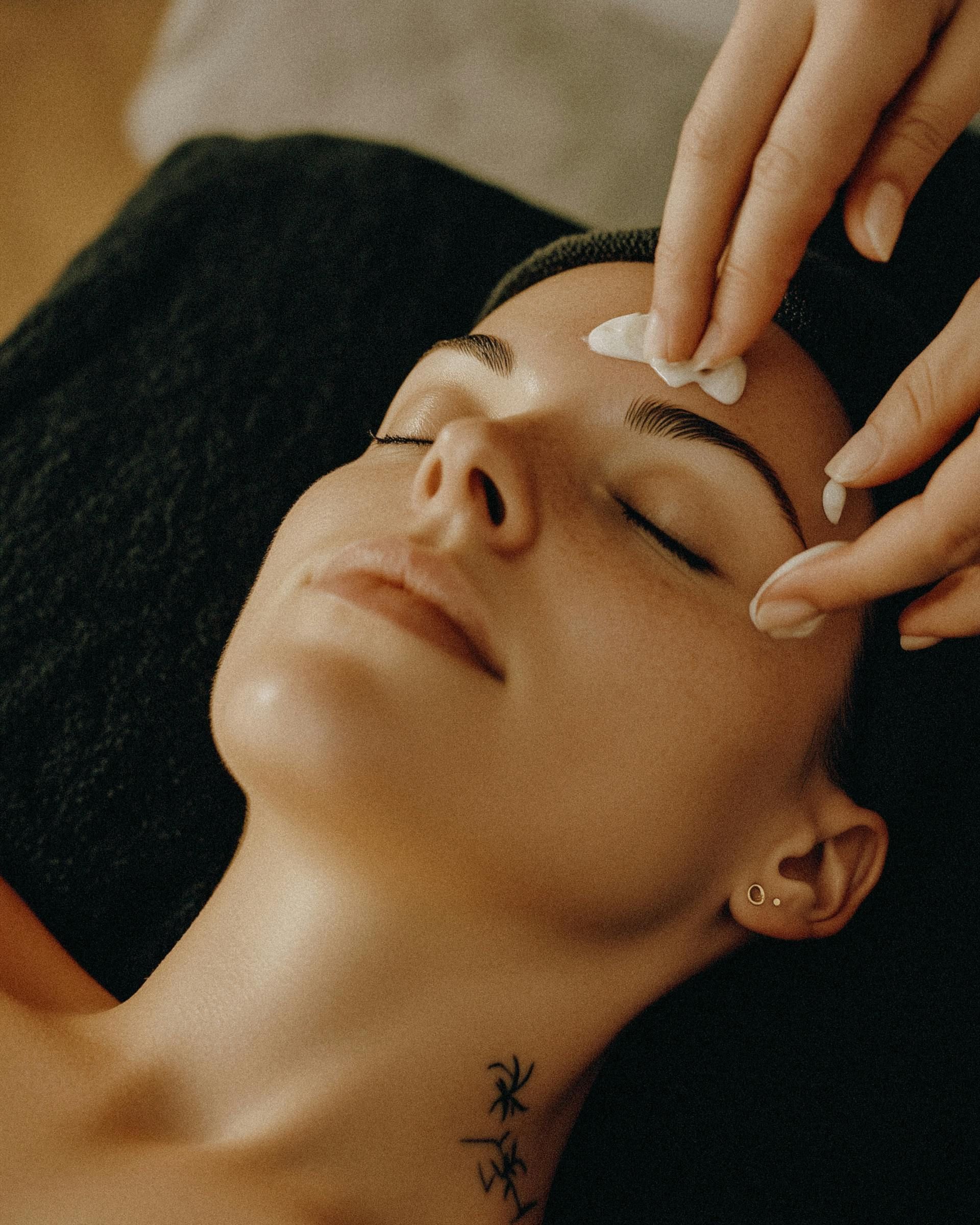
- Skin health. Excess fluid in the tissues can dull the complexion and contribute to puffiness, particularly around the face. Regular lymphatic work can support clearer, more even-toned skin by improving the movement of nutrients and waste at the cellular level.
- Digestive support. Stimulating the lymph nodes in the abdomen may ease bloating and support general digestive comfort, though this is a secondary benefit rather than the primary purpose of the treatment.
If you're not sure whether lymphatic drainage is the right fit for what you're dealing with, Shirley can help you figure that out during a consultation. You can also explore how it compares to other
massage services offered at the studio.
Who Should Avoid It (or Check with a Doctor First)
Lymphatic drainage massage is generally very safe, but it's not appropriate for everyone. You should hold off or get medical clearance first if you have any of the following:
- Active infections: Particularly bacterial infections, since increasing lymph flow can spread infection through the body.
- Blood clots or deep vein thrombosis (DVT): Moving fluid in areas with clots carries real risk.
- Congestive heart failure: The body is already managing fluid carefully, and additional fluid mobilization can be dangerous.
- Certain kidney conditions: If the kidneys can't process the additional fluid load, problems can arise.
- Active cancer: This requires guidance from your oncologist, as the evidence and appropriateness varies significantly by case.
- Acute inflammation or fever.
This is not an exhaustive list. If you have an existing health condition, talk to your doctor before booking. Shirley will also ask about your health history before any session so the approach can be adapted appropriately.
What to Expect: Before, During, and After
Before your session: There's no complicated prep required. Wear comfortable clothing you can change out of easily, and try to arrive hydrated. If you're coming in specifically for post-surgical recovery, bring any notes from your surgical team about restrictions or timelines.
During your session: You'll lie on a massage table in a quiet, private room. The therapist will work systematically across the body using the light, rhythmic strokes described above. Most people find it deeply relaxing, and it's not uncommon to drift off. You won't experience the intensity or soreness that can sometimes follow a deep tissue session.
After your session: Drink plenty of water. The session mobilizes fluid and waste, and adequate hydration helps your body flush it through. Some people feel a strong urge to use the bathroom in the hours following a session, and that's a normal sign the treatment is working. You may also feel quite tired, and a good night's sleep is common. Some clients notice increased urination or mild detox-like symptoms for a day or two.
How Often Should You Book Sessions?
The answer depends on why you're coming in:
- Post-surgical recovery: Many clients benefit from multiple sessions in a concentrated window, sometimes 2 to 3 times per week in the first few weeks following a procedure, then tapering off as healing progresses. Your surgeon's guidance and how your body is responding will shape this.
- Lymphedema management: Frequency is usually determined in coordination with your healthcare provider. This is often an ongoing maintenance treatment rather than a short course.
- General wellness and puffiness: Once every few weeks may be enough to maintain results. Some clients work it into their regular self-care alongside other massage services like the Signature Massage.
- Stress and immune support: Monthly sessions work well for many people who use it as a preventive wellness practice.
Consistency matters more than frequency. A single session gives you a sense of what the treatment feels like and can provide immediate relief, but the longer-term benefits build over time.
Check Our Pricing and Book Your First Session
"You've already done the research. Now it's time to feel the results. View pricing and book online."
How It Fits Into a Broader Wellness Routine
Lymphatic drainage doesn't have to stand alone. At Shirley's Mind & Body, it can be incorporated into a therapeutic massage session depending on what your body needs that day. Therapeutic massage at the studio already draws on multiple modalities, including lymphatic drainage where indicated. If you're not sure whether you want a dedicated lymphatic session or something more integrated, that's worth discussing when you book.
For clients who are managing both physical tension and fluid retention, pairing lymphatic drainage with a deeper session like
deep tissue massage on alternating visits can address both layers effectively.
And if part of your wellness routine involves understanding how consistent bodywork supports overall health, the post on
why regular massage therapy boosts your overall well-being is worth reading alongside this one.
Expected Results and Timeline
Here's an honest look at what you can expect and when:
| Goal | When You May Notice Results |
|---|---|
| Reduced puffiness / swelling | Often after the first session |
| Post-surgical fluid reduction | Within the first 1–3 sessions |
| Improved skin tone and clarity | After several consistent sessions |
| Sustained lymphedema management | Ongoing with regular treatment |
| Reduced fatigue and sluggishness | Varies; many notice it within 24–48 hours |
Results are individual. Your starting point, overall health, hydration, activity level, and consistency all play a role. Shirley will check in throughout your first session and can help you set realistic expectations for your particular situation.
Common Misconceptions
"It's a detox treatment." The lymphatic system does play a role in waste removal, but framing this as a detox in the popular sense oversimplifies things. What it does more accurately is support the body's existing drainage processes. It's not flushing toxins in a dramatic sense, just helping move fluid more efficiently.
"It helps with weight loss." Lymphatic drainage may reduce water retention, which can temporarily affect how you feel in your clothes, but it does not burn fat or produce lasting weight changes on its own.
"Harder pressure means better results." This is the most common misconception. The lymphatic vessels sit just beneath the skin. Too much pressure actually compresses them and reduces flow. The light touch is the technique, not a sign that the therapist isn't working hard.
"It's only for people with medical conditions." While it's especially helpful post-surgery or for lymphedema, plenty of people without a diagnosis simply find it helpful for managing everyday puffiness, supporting skin health, and staying on top of their wellness.
Frequently Asked Questions
Is lymphatic drainage massage painful?
No. It should never cause pain. The pressure is intentionally light and rhythmic. If anything feels uncomfortable, let your therapist know and the approach will be adjusted.
How do I know if I need this instead of a regular massage?
If your main concern is swelling, fluid retention, post-surgical recovery, or skin puffiness rather than muscle tension or soreness, lymphatic drainage is likely a better fit. For tension and soreness, a therapeutic massage or deep tissue session may serve you better. Not sure? Book a consultation and Shirley can point you in the right direction.
Can it be done during pregnancy?
It can be appropriate in some cases, particularly to address leg swelling, but it requires a therapist experienced in prenatal care and a conversation with your OB or midwife first. Please mention your pregnancy when you reach out to book.
Will I need to fully undress?
You'll undress to your comfort level. The therapist will keep you appropriately draped throughout the session and only work on the area currently being treated.
How soon after surgery can I start?
This varies by procedure and surgeon. Some surgical teams recommend starting within the first week; others prefer to wait longer. Always get clearance from your surgical provider before booking.
Does it work for face and neck puffiness specifically?
Yes. The neck and face are areas where lymphatic drainage is particularly effective, especially for people who wake up puffy or notice congestion around the jaw and under the eyes.
Is one session enough to feel a difference?
Many people notice something after a single session. But for lasting results, especially in the case of surgery or chronic conditions, a series of sessions produces far more meaningful improvement.
About Shirley's Mind & Body
Located at 3329 Noyack Rd in Sag Harbor, NY, Shirley's Mind & Body serves clients from across the East End: East Hampton, Southampton, Amagansett, Shelter Island, Montauk, and beyond. Shirley brings genuine care and hands-on experience to every session, and her approach is shaped around your individual needs rather than a fixed protocol.
To learn more about
Shirley and her background, or to explore everything available at the studio, visit the
services page.
"Your appointment is waiting. Book online or call 631-725-9100. Same-day availability often possible."
Share this article