
Waxing for Sensitive Skin: Tips, Prep, and What to Expect
If you have sensitive skin, you've probably had a frustrating experience with hair removal at some point. Maybe shaving left you with a rash that lasted days. Maybe a chemical cream caused a reaction you weren't expecting. Or maybe you've avoided waxing altogether because you assumed it would be too harsh on your skin.
Here's what a lot of people don't realize: when done correctly, professional waxing is often
gentler on sensitive skin than the alternatives. The key is knowing how to prepare, what products to use, and what to ask for when you book your appointment. At
Shirley's Mind & Body in Sag Harbor, NY, clients with reactive and sensitive skin regularly get smooth, lasting results without the irritation they expected.
This guide walks through everything you need to know, from prep to aftercare, so you can walk in confident and walk out comfortable.
Key Takeaways
- Professional waxing removes hair from the root, reducing the frequency of hair removal sessions compared to shaving
- Quality wax formulations designed for sensitive skin contain soothing ingredients that calm irritation
- Proper preparation and aftercare significantly reduce post-waxing sensitivity and inflammation
- Experienced professionals use techniques that minimize trauma to delicate skin tissue
- Regular waxing actually makes hair finer and skin less sensitive over time
- Professional waxing environments maintain strict hygiene standards that prevent infection and irritation
Why Sensitive Skin Reacts Badly to Other Hair Removal Methods
Before getting into what makes waxing work for sensitive skin, it's worth understanding why so many other methods fall short.
Shaving is the most common approach, but it removes hair by cutting it at the surface rather than the root. For sensitive skin, this creates a few problems. The razor drags across the skin with every pass, scraping away surface cells and disrupting the skin barrier. Hair grows back within one to three days, sharp at the tip, which can cause ingrown hairs as regrowth pushes through the skin. And because you're shaving so frequently, irritated skin never gets a real chance to recover.
Chemical depilatories break down the protein structure of hair using alkaline compounds. They're effective, but they don't discriminate well between hair and skin. For people with sensitive or reactive skin, the risk of burns, contact dermatitis, and barrier damage is significant. Even products marketed as "gentle" formulas can cause unexpected reactions in people who don't tolerate them well.
At-home epilators physically pull hair out, but without the control that a trained esthetician applies. This can result in hair breaking at the surface rather than being fully removed, follicle irritation, and extended discomfort in the days following use.
Professional waxing removes hair from the root in a single pass, meaning less repeated friction on the skin and longer periods between sessions. When the right wax is used with proper technique, the skin barrier is disturbed far less than it is with daily shaving.
Hard Wax vs. Soft Wax: What's the Difference and Which Is Better for You
This is probably the most important thing to understand if you have sensitive skin.
Soft wax (also called strip wax) is applied in a thin layer and removed using a cloth strip. It adheres to both hair and skin, which makes it fast and effective for large areas. But for reactive skin, that dual adhesion can cause more irritation, especially in delicate zones like the bikini area or face.
Hard wax is applied more thickly, allowed to dry, and then removed without a strip. It shrinks slightly as it cools, gripping the hair rather than bonding to the skin underneath. For sensitive skin clients, this typically means less trauma on removal and less redness afterward.
At
Shirley's Mind & Body, hard wax is the standard choice for sensitive areas and for clients who tend to react to waxing. The specific formulation matters too. Quality hard waxes formulated for sensitive skin often include soothing ingredients like chamomile, aloe, or vitamin E, which calm the skin during the process rather than adding to its stress.
Who Is a Good Candidate for Professional Waxing?
Most people with sensitive skin can get waxed professionally without major issues, particularly when they've communicated their skin type to their esthetician. That said, some situations call for extra caution.
Waxing tends to work well for:
- People prone to razor burn or ingrown hairs from shaving
- Those with skin that reacts to chemical depilatories
- Anyone looking for longer-lasting results (four to six weeks between sessions vs. one to three days with shaving)
- People on medications that increase skin sensitivity, as long as affected areas are identified in advance
- First-timers who are nervous about pain or irritation
You should talk to your esthetician or dermatologist before waxing if:
- You have active eczema, psoriasis, or rosacea flare-ups in the area to be waxed
- You're currently using retinoids, tretinoin, or prescription-strength exfoliants (these thin the skin and increase the risk of lifting)
- You've had a recent sunburn, laser treatment, or chemical peel
- You're taking blood thinners or certain acne medications like isotretinoin, which can affect skin fragility
If any of these apply, it doesn't necessarily mean waxing is off the table. It means you need a conversation before your appointment so your esthetician can assess the area and adjust the approach.
How to Prepare for a Wax When You Have Sensitive Skin
Good preparation is one of the most controllable factors in how your skin responds. Most post-wax irritation is preventable, and a lot of it comes down to what you do (and don't do) in the days leading up to your appointment.
About a week before:
- Avoid tanning beds and prolonged sun exposure to the area being waxed. Sunburned or recently tanned skin is more fragile and will react more intensely to waxing.
- If you use retinoids or prescription exfoliants, stop applying them to the area at least five to seven days before your appointment. Check with your dermatologist if you're unsure about timing.
Two to three days before:
- Gently exfoliate the area with a soft washcloth or a mild exfoliant. This helps remove dead skin cells that can interfere with the wax gripping the hair properly, and it reduces the risk of ingrown hairs after the appointment.
- Stop using any new skincare products on the area. You don't want to discover a sensitivity reaction the day before your wax.
The day of your appointment:
- Make sure your hair is long enough. For waxing to work effectively, hair should be at least a quarter inch long, roughly the length of a grain of rice. If it's shorter, the wax won't grip it properly.
- Shower and cleanse the area, but skip heavy lotions or oils on the skin. A clean, product-free surface helps the wax adhere properly.
- Avoid caffeine and alcohol before your appointment, particularly if you're already anxious about discomfort. Both can increase skin sensitivity.
- If you tend to have a lower pain threshold around your menstrual cycle, try to book your appointment during the week after your period, when pain tolerance is typically higher.
Take an over-the-counter pain reliever about 30 minutes before if you're concerned about discomfort.
What Happens During a Sensitive Skin Waxing Session
If you've never been waxed professionally before, here's what a typical session at a spa that takes sensitive skin seriously looks like.
Your esthetician should start with a brief consultation, asking about your skin type, any products you're using, skin conditions or sensitivities, and whether there are any areas to avoid. This is your opportunity to share anything relevant. Don't skip it.
The area will be cleansed and a light pre-wax treatment will be applied. This creates a slight barrier on the skin and helps the wax grip hair rather than skin.
The wax is applied in small sections following the natural direction of hair growth, then removed in the opposite direction. Smaller sections mean more control and gentler removal. A skilled esthetician will work efficiently but carefully, applying light pressure after each removal to soothe the area.
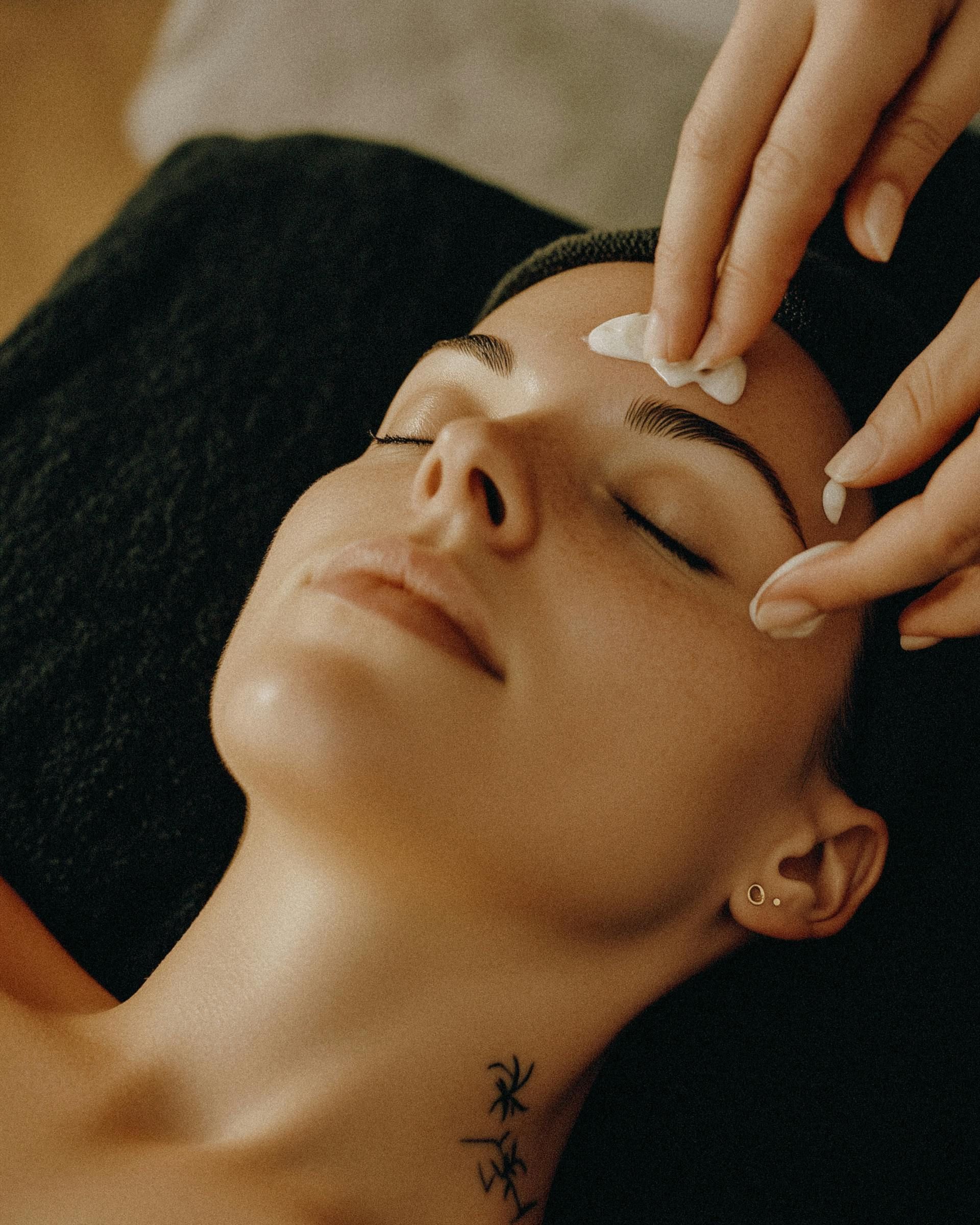
After waxing, a calming treatment is applied, typically something with aloe vera or a similar anti-inflammatory ingredient, to reduce redness and help the skin settle. If any areas react more strongly, your esthetician may apply additional cooling or soothing products before you leave.
You can learn more about what to expect during your first waxing appointment in our
bikini waxing guide, which covers the consultation process in detail.
Post-Wax Care: What to Do (and Avoid) in the First 48 Hours
How you care for your skin in the hours after your appointment matters just as much as the wax itself. Sensitive skin is especially vulnerable in this window, and the right aftercare can prevent most of the irritation people associate with waxing.
For the first 24 hours:
- Wear loose, breathable clothing over the waxed area. Tight fabric creates friction and can cause bumps and irritation.
- Avoid hot showers, saunas, hot tubs, and intense exercise. Heat opens pores and increases the risk of irritation and infection in freshly waxed skin.
- Keep the area out of direct sunlight. The skin is more sensitive to UV exposure after waxing.
- Don't apply perfumed products, deodorants, or anything with alcohol to the waxed area.
- If you notice redness or mild swelling, apply a cool compress or a fragrance-free aloe vera gel to soothe it. This is normal and typically resolves within a few hours.
After 48 hours:
- Begin gentle exfoliation two to three times a week. This is one of the most effective ways to prevent ingrown hairs as your hair starts to grow back.
- Keep the area moisturized with a fragrance-free lotion.
- Avoid heavy exfoliants, retinoids, or active skincare on the area until the skin has fully recovered.
For a complete breakdown of pre- and post-wax care, including product recommendations, visit our
pre- and post-wax care guide.
Waxing vs. Shaving for Sensitive Skin: A Practical Comparison
| Professional Waxing | Shaving | |
|---|---|---|
| Results last | 4–6 weeks | 1–3 days |
| Skin contact | Minimal (hard wax grips hair) | High (blade contacts skin directly) |
| Ingrown hair risk | Lower with proper aftercare | Higher with blunt regrowth |
| Long-term skin impact | Hair becomes finer over time | No change |
| Irritation pattern | Short-term (hours) with good aftercare | Ongoing with repeated shaving |
| Frequency of maintenance | Monthly or less | Daily or near-daily |
For sensitive skin, the main advantage of professional waxing comes down to frequency. When you shave every day or every other day, your skin doesn't have a chance to recover. Waxing gives your skin four to six weeks of uninterrupted time to heal and settle.
Common Misconceptions About Waxing for Sensitive Skin
"My skin is too sensitive to be waxed." Many clients who come in expecting waxing to be impossible for them leave pleasantly surprised. Sensitive skin isn't a disqualifier. It's a skin type that requires the right approach: the right wax, the right technique, and proper aftercare. If you've had bad experiences with waxing in the past, it's worth asking whether the experience was with a professional using sensitive-skin-appropriate products.
"Hard wax is only for small areas." Hard wax takes a little more time to apply and remove than soft wax, but it can be used on larger areas too. Many estheticians use hard wax for the full leg or back when working with sensitive skin clients.
"Waxing gets more painful over time." Actually, the opposite tends to be true. With regular waxing, hair follicles can weaken slightly, leading to finer, sparser regrowth over time. Many long-term waxing clients report that their appointments become progressively more comfortable. You can read more about timing and session frequency in our guide on
how often to schedule waxing for smooth skin.
"You need to wait until the redness is completely gone before booking again." Some mild redness after waxing is normal and usually fades within hours. You don't need to wait for your skin to show zero signs of a previous appointment before booking again. A standard four to six week interval allows the hair to reach the right length for effective removal and gives the skin adequate time to recover.
What Shirley Brings to Sensitive Skin Waxing
At Shirley's Mind & Body in Sag Harbor, sensitive skin isn't treated as a complication. It's treated as a specific skin type that responds to the right products and approach. Shirley has years of experience working with clients who have reactive skin, rosacea, eczema in remission, and skin sensitized by medications or hormonal changes.
Each appointment starts with a brief assessment of the area to be waxed. Shirley uses hypoallergenic, low-temperature hard wax formulated for
sensitive skin, and adjusts her technique to the specific area and the client's current skin condition. Post-wax soothing care is applied at the end of every session, and clients leave with specific aftercare instructions based on how their skin responded.
If you're in the Sag Harbor area and have been hesitant to try waxing because of your skin, a
sensitive skin waxing consultation is a low-pressure way to get your questions answered before committing to a full appointment.
Frequently Asked Questions
How long should I wait between waxing sessions if I have sensitive skin?
Most people with sensitive skin do well with four to six weeks between appointments. This timing allows hair to grow to the quarter-inch length needed for effective waxing and gives the skin enough recovery time between sessions. Going too soon can mean the hair is too short to grip properly, which usually results in a less comfortable experience and patchy results.
Can I get waxed if I have eczema or psoriasis?
It depends on the current condition of your skin. Waxing over actively inflamed, broken, or flaring skin is not recommended and can cause further irritation or damage. If your eczema or psoriasis is currently well-managed and the area you want waxed isn't affected, waxing may be fine. The safest approach is to consult with your dermatologist and let Shirley know about your condition when booking so she can assess the area beforehand.
What should I do if my skin becomes very red or irritated after waxing?
Apply cool compresses and use gentle, fragrance-free aloe vera gel to soothe the area immediately after treatment. If irritation persists beyond 48 hours or becomes severe, contact your aesthetician or healthcare provider for guidance.
Is hard wax or soft wax better for sensitive skin?
Hard wax is generally the better choice. Unlike soft wax, which adheres to both hair and skin, hard wax shrinks slightly as it dries and grips primarily the hair on removal. This means less pulling on the skin itself and typically less post-wax redness. For sensitive areas like the face, underarms, and bikini line, hard wax makes a noticeable difference.
Can hormonal changes affect how my skin responds to waxing?4
Yes. Hormonal fluctuations during menstruation, pregnancy, or perimenopause can increase skin sensitivity. Many clients find that scheduling their appointment during the week following their period, rather than before or during it, makes the experience noticeably more comfortable. Pregnancy also affects skin sensitivity and circulation, so it's worth flagging if you're pregnant.
What should I do if my skin is still red or irritated 48 hours after waxing?
Some redness in the first few hours after waxing is normal, especially for sensitive skin. If redness persists past 48 hours, develops into a rash, or produces bumps that look infected, reach out to Shirley or your dermatologist. Persistent irritation can sometimes indicate a reaction to a wax ingredient or an infection in a follicle that needs attention.
How do I prevent ingrown hairs after waxing?
The most effective prevention strategy is regular exfoliation starting two to three days after your appointment, not immediately after. Use a gentle exfoliant a few times a week to help the skin shed dead cells that can trap growing hairs. Keeping the area moisturized also helps. Wearing loose clothing over freshly waxed skin reduces friction that can contribute to ingrown hairs.
Does waxing get less painful the more regularly you do it?
For most people, yes. With consistent waxing, hair follicles tend to weaken slightly over time, which leads to finer regrowth and generally a more comfortable experience at each appointment. The initial sessions are often the most intense, and it typically becomes more manageable from there.
Ready to Try Waxing Without the Worry?
Sensitive skin doesn't mean you have to settle for irritating hair removal methods or skip waxing altogether. With the right preparation, the right products, and an esthetician who understands how to work with reactive skin, you can get smooth, long-lasting results without the aftermath you've been dreading.
If you're in Sag Harbor or the East End of Long Island and want to try a gentler approach to waxing,
Shirley's Mind & Body is open Monday through Sunday, 10:00 AM to 8:00 PM.
Ready for gentler hair removal? Book your sensitive skin waxing consultation today.
Reference:
https://www.medicalnewstoday.com/articles/326150
Share this article